

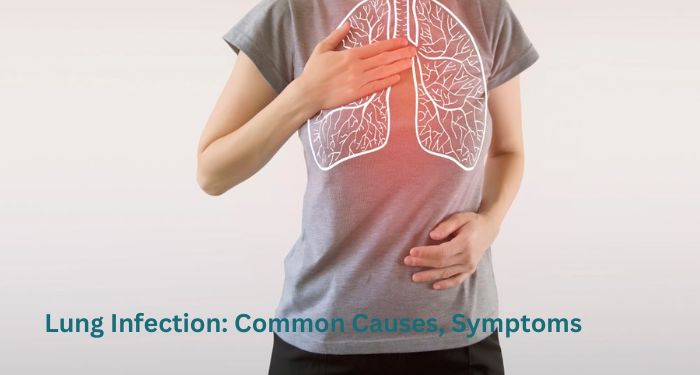
Lung infections are among the most common respiratory problems affecting people of all ages. From seasonal viral infections to serious bacterial pneumonia, lung infections can range from mild to life-threatening if not treated on time. Pollution, smoking, weakened immunity, and post-viral complications have significantly increased respiratory illnesses in recent years.
If you or your family members experience persistent cough, breathing difficulty, or chest discomfort, consulting a qualified Pulmonologist in Wakad is essential for accurate diagnosis and timely treatment.
What Is a Lung Infection?
A lung infection occurs when harmful microorganisms such as bacteria, viruses, or fungi invade lung tissue, causing inflammation and fluid buildup. This inflammation interferes with oxygen exchange, leading to symptoms like cough, fever, and breathlessness.
Lung infections can affect different parts of the respiratory system, including the airways (bronchitis) or the air sacs (pneumonia).
Common Types of Lung Infections
1️⃣ Pneumonia
Pneumonia is one of the most serious lung infections. It causes inflammation of the air sacs, which may fill with pus or fluid. It can be bacterial, viral, or fungal.
2️⃣ Bronchitis
Bronchitis involves inflammation of the bronchial tubes, leading to persistent cough and mucus production.
3️⃣ Tuberculosis (TB)
A bacterial infection that primarily affects the lungs and spreads through airborne droplets.
4️⃣ Viral Lung Infections
Flu and certain respiratory viruses can directly affect lung tissue, especially in elderly individuals or those with weak immunity.
5️⃣ Fungal Infections
More common in people with compromised immune systems.
If symptoms persist beyond a few days or worsen, visiting a Pulmonologist in Wakad is strongly recommended.
Common Causes of Lung Infection
Several factors increase the risk of developing lung infections:
🔹 Weakened Immune System
Diabetes, cancer treatment, HIV, or long-term steroid use can reduce immunity.
🔹 Smoking
Smoking damages lung tissue and weakens the natural defense mechanism.
🔹 Air Pollution
Exposure to dust, smoke, and pollutants increases vulnerability to respiratory infections.
🔹 Viral Illness
Influenza or other viral infections can lead to secondary bacterial pneumonia.
🔹 Chronic Lung Diseases
Asthma and COPD patients are more prone to infections.
🔹 Poor Nutrition
Lack of essential nutrients affects immune strength.
Symptoms of Lung Infection
Symptoms vary depending on severity but commonly include:
- Persistent cough
- Fever and chills
- Shortness of breath
- Chest pain while breathing
- Fatigue
- Thick mucus production
- Rapid breathing
- Wheezing
Severe infections may cause confusion, low oxygen levels, or bluish lips.
If these symptoms continue for more than 3–5 days, consult a Pulmonologist in Wakad immediately.
Who Is at Higher Risk?
Certain individuals are more vulnerable:
- Elderly people above 60
- Children below 5
- Smokers
- Patients with asthma or COPD
- Diabetic patients
- Individuals with heart disease
- People with weakened immunity
Early medical intervention prevents complications.
How Is Lung Infection Diagnosed?
A pulmonologist may recommend:
✔ Physical Examination
Listening to abnormal lung sounds.
✔ Chest X-ray
To detect infection and fluid buildup.
✔ CT Scan
For detailed imaging if needed.
✔ Blood Tests
To identify infection markers.
✔ Sputum Test
To detect bacterial or fungal infection.
✔ Oxygen Level Monitoring
Accurate diagnosis ensures targeted treatment.
Treatment Options
Treatment depends on the type and severity of infection:
🔹 Antibiotics
Used for bacterial infections.
🔹 Antiviral Medications
For viral lung infections.
🔹 Antifungal Medicines
For fungal infections.
🔹 Inhalers and Bronchodilators
To ease breathing difficulty.
🔹 Oxygen Therapy
For severe cases with low oxygen levels.
🔹 Hospitalization
In complicated or high-risk patients.
An experienced Pulmonologist in Wakad will tailor treatment based on individual health status.
Home Care & Recovery Tips
Recovery requires rest and proper care:
- Stay hydrated
- Complete full medication course
- Avoid smoking
- Take steam inhalation (if advised)
- Maintain balanced diet
- Monitor oxygen levels in severe cases
Never ignore worsening breathlessness.
Complications of Untreated Lung Infection
If left untreated, lung infections can lead to:
- Respiratory failure
- Sepsis
- Lung abscess
- Pleural effusion
- Chronic lung damage
Early consultation with a Pulmonologist in Wakad prevents long-term damage.
Preventive Measures
Prevention is always better than cure:
- Get flu vaccination
- Take pneumonia vaccine if advised
- Practice hand hygiene
- Avoid crowded places during outbreaks
- Quit smoking
- Maintain healthy lifestyle
Regular health checkups help in early detection.
When Should You See a Pulmonologist?
Seek medical attention if you experience:
- Persistent cough more than one week
- High fever
- Chest pain
- Difficulty breathing
- Blood in sputum
- Recurrent lung infections
Timely care from a Pulmonologist in Wakad ensures faster recovery and fewer complications.
Conclusion
Lung infections are common but should never be taken lightly. While some mild cases improve with supportive care, others may become serious quickly. Identifying symptoms early and seeking medical attention is the key to preventing complications.
If you or your loved ones experience persistent respiratory symptoms, consult an experienced Pulmonologist in Wakad for comprehensive diagnosis and personalized treatment.
Healthy lungs mean better quality of life — take care of your respiratory health today.
Frequently Asked Questions (FAQs)
1. How long does a lung infection last?
Mild infections may improve within 1–2 weeks. Severe cases may take longer.
2. Is lung infection contagious?
Viral and bacterial infections can spread through respiratory droplets.
3. Can lung infection heal without antibiotics?
Viral infections may recover without antibiotics, but bacterial infections require medical treatment.
4. When is hospitalization required?
If oxygen levels drop or breathing becomes severely difficult.
5. Can asthma patients get frequent lung infections?
Yes, asthma patients are at higher risk.
6. How can I strengthen my lungs?
Avoid smoking, exercise regularly, eat healthy, and get vaccinated.
7. Which doctor treats lung infections?
A Pulmonologist in Wakad specializes in diagnosing and treating lung infections.