
Ashraya Hospital, Jadhav Corner, Kala Kadak, Dange Chowk, Wakad, Pune 411057
+91 80075 38080

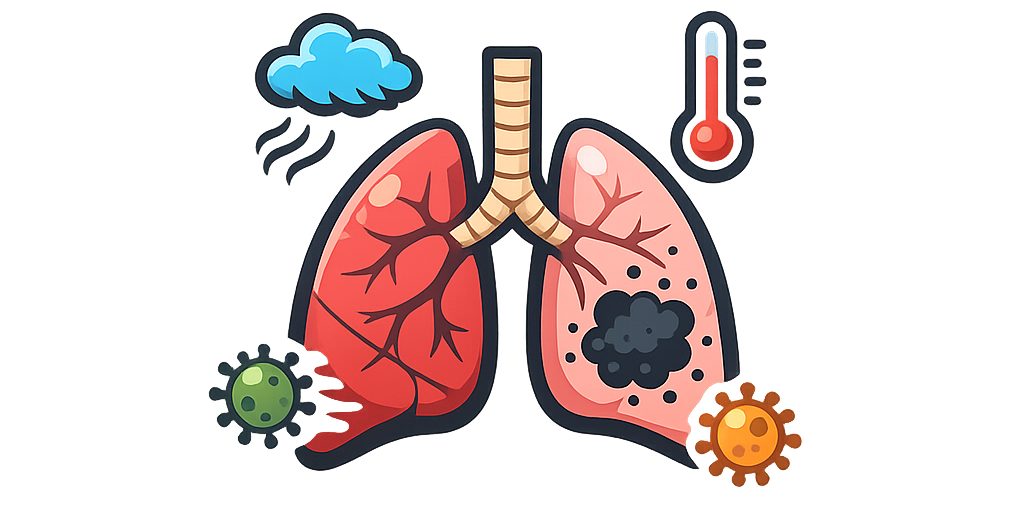
Chronic Obstructive Pulmonary Disease (COPD) is a long-term lung condition that causes persistent airflow limitation, making it difficult to breathe. It commonly includes chronic bronchitis and emphysema and is most often caused by long-term exposure to cigarette smoke, air pollution, or occupational dust and chemicals.
Symptoms typically include chronic cough, mucus production, shortness of breath, wheezing, and frequent respiratory infections. While COPD is a progressive condition, early diagnosis, lifestyle changes, medications, and pulmonary rehabilitation can significantly improve quality of life and slow disease progression.
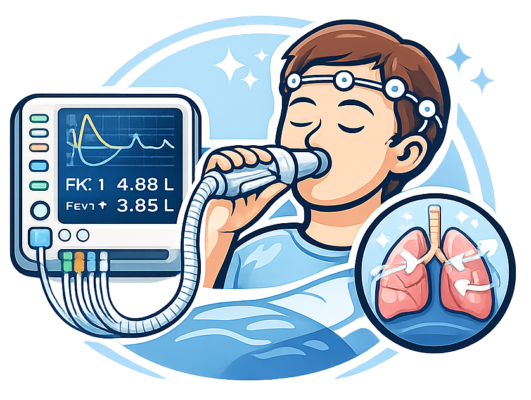
Pulmonary Function Test (PFT) is a simple, non-invasive diagnostic test that measures how well your lungs are working. It evaluates lung capacity, airflow, and oxygen exchange to help detect and monitor respiratory conditions such as asthma, COPD, bronchitis, and other breathing disorders.
During the test, you will be asked to breathe into a specialized device called a spirometer, which records detailed measurements of your lung function. The procedure is safe, painless, and usually takes only a few minutes. PFT plays a crucial role in early diagnosis, assessing disease severity, and guiding effective treatment plans for better respiratory health.
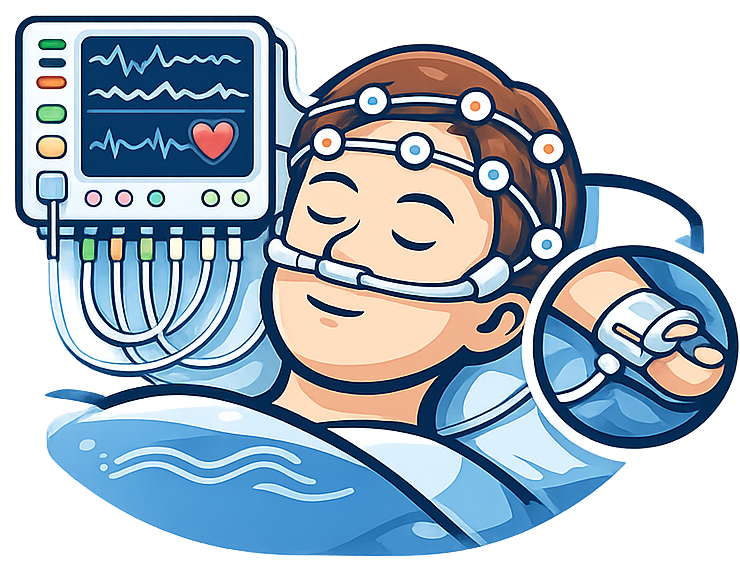
Polysomnography (Sleep Study) is a comprehensive overnight test used to diagnose sleep-related disorders. It monitors important body functions during sleep, including breathing patterns, oxygen levels, heart rate, brain activity, and body movements.
This test is commonly recommended for conditions such as sleep apnea, chronic snoring, insomnia, restless leg syndrome, and unexplained daytime fatigue. Conducted in a comfortable and controlled setting, polysomnography is safe and painless. The detailed results help doctors accurately identify sleep disturbances and create personalized treatment plans to improve sleep quality and overall health.
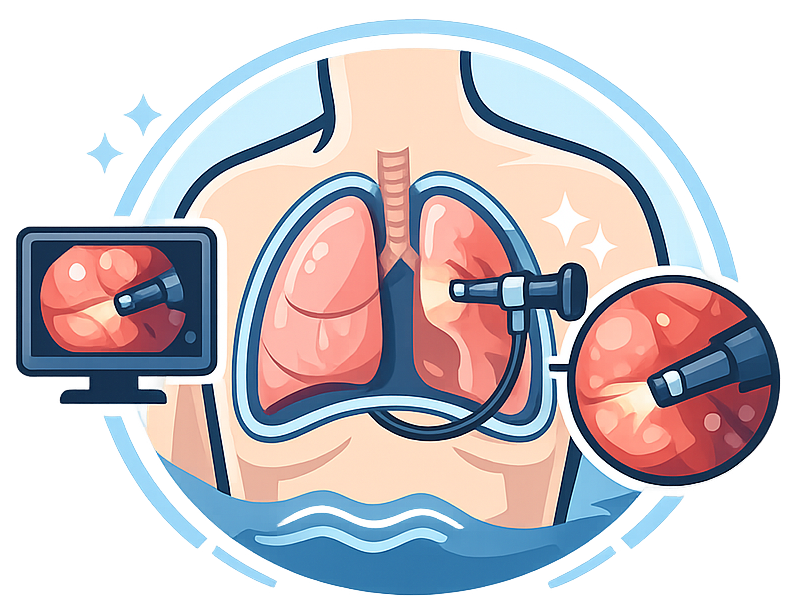
Thoracoscopy is a minimally invasive procedure used to examine and treat conditions affecting the lungs and the lining of the chest (pleura). It allows the doctor to directly visualize the chest cavity using a thin instrument called a thoracoscope, which is inserted through a small incision in the chest wall.
This procedure is commonly performed to diagnose unexplained pleural effusion, infections, tumors, tuberculosis, or to take tissue biopsies for accurate diagnosis. In certain cases, thoracoscopy can also be used for treatment, such as removing fluid buildup or managing recurrent pleural effusion.
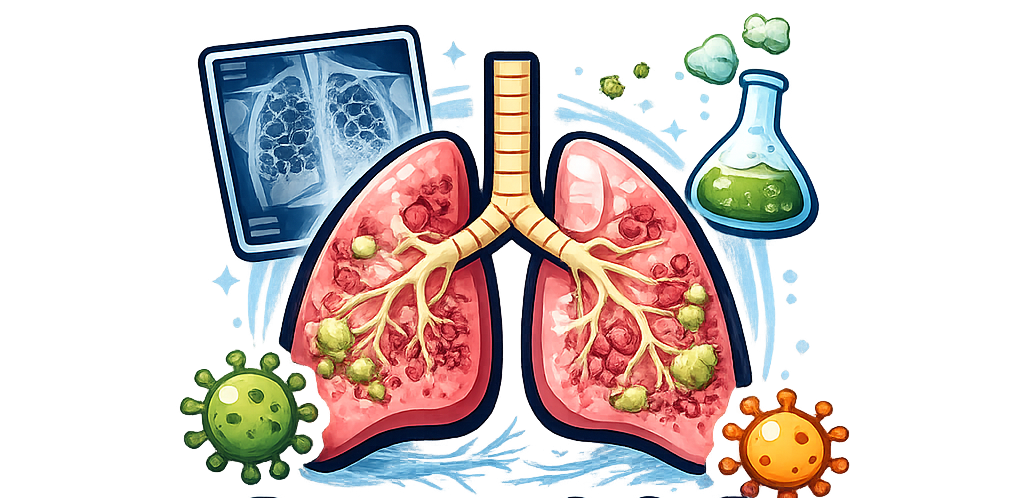
Endobronchial Ultrasound (EBUS) is an advanced, minimally invasive procedure used to diagnose and evaluate conditions affecting the lungs and surrounding lymph nodes. It combines bronchoscopy with ultrasound technology to provide real-time imaging of the airways, lungs, and chest structures.
EBUS is especially useful in diagnosing lung infections, tuberculosis, sarcoidosis, and lung cancer, as well as assessing enlarged lymph nodes. During the procedure, a thin, flexible tube with an ultrasound probe is gently guided through the mouth into the airways, allowing precise sampling (biopsy) without the need for major surgery.
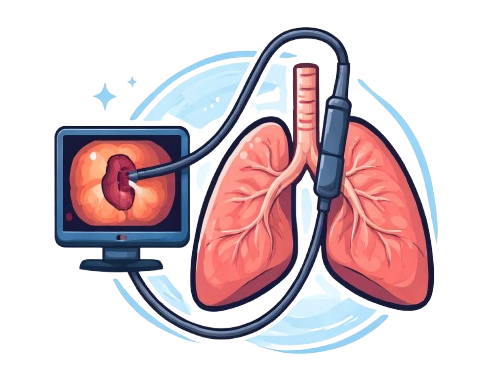
Bronchoscopy is a minimally invasive procedure used to examine the airways and lungs for diagnosis and treatment of various respiratory conditions. It involves inserting a thin, flexible tube called a bronchoscope through the nose or mouth into the air passages.
This procedure helps detect infections, tumors, blockages, bleeding, or inflammation in the lungs. It can also be used to collect tissue or mucus samples (biopsy) for further testing and, in some cases, to remove foreign bodies or clear airway obstructions.
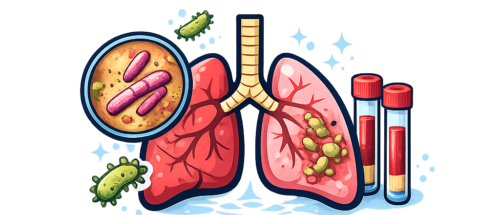
Tuberculosis (TB) is a contagious bacterial infection caused by Mycobacterium tuberculosis, primarily affecting the lungs but potentially spreading to other parts of the body such as the lymph nodes, spine, or brain. It spreads through airborne droplets when an infected person coughs or sneezes.
Common symptoms include a persistent cough lasting more than two weeks, fever, night sweats, weight loss, chest pain, and fatigue. With early diagnosis and a complete course of prescribed medication, tuberculosis is curable. Proper treatment and medical supervision are essential to prevent complications and drug resistance.
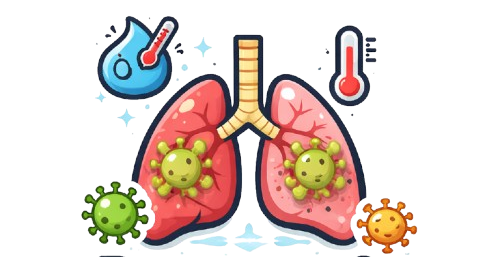
Pneumonia is a lung infection that causes inflammation of the air sacs (alveoli), which may fill with fluid or pus, leading to difficulty breathing. It can be caused by bacteria, viruses, or fungi and may range from mild to life-threatening, especially in children, elderly individuals, and people with weakened immunity.
Common symptoms include cough with phlegm, fever, chills, chest pain, shortness of breath, and fatigue. Early diagnosis and appropriate treatment including antibiotics (for bacterial pneumonia), antiviral medication, or supportive care are essential for a full recovery.
Interstitial Lung Disease (ILD) refers to a group of disorders that cause progressive inflammation and scarring (fibrosis) of the lung tissue, particularly the interstitium the area around the air sacs. This scarring makes the lungs stiff, reducing their ability to expand properly and limiting oxygen transfer into the bloodstream.
Common symptoms include persistent dry cough, shortness of breath (especially during exertion), fatigue, and reduced exercise tolerance. Early diagnosis and appropriate management are important to slow disease progression, relieve symptoms, and improve quality of life.

Sleep Disorders are conditions that disrupt normal sleep patterns, affecting the quality, timing, or duration of sleep. They can interfere with daily functioning, energy levels, mood, and overall health. Common types include insomnia, sleep apnea, restless leg syndrome, and narcolepsy.
Symptoms may include difficulty falling or staying asleep, excessive daytime sleepiness, loud snoring, breathing interruptions during sleep, or unusual movements at night. Proper diagnosis and treatment are essential to restore healthy sleep and improve overall well-being.
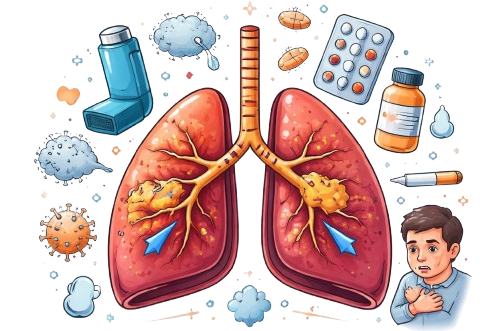
Chronic Obstructive Pulmonary Disease (COPD) is a long-term lung condition that causes persistent airflow limitation, making it difficult to breathe. It commonly includes chronic bronchitis and emphysema and is most often caused by long-term exposure to cigarette smoke, air pollution, or occupational dust and chemicals.
Symptoms typically include chronic cough, mucus production, shortness of breath, wheezing, and frequent respiratory infections. While COPD is a progressive condition, early diagnosis, lifestyle changes, medications, and pulmonary rehabilitation can significantly improve quality of life and slow disease progression.
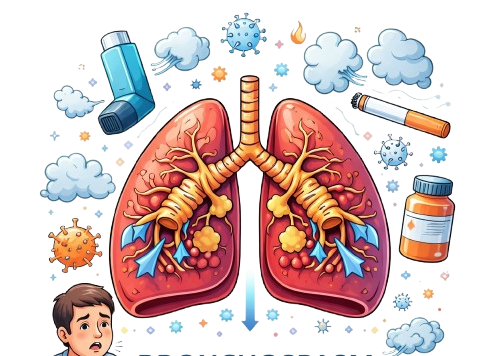
Asthma is a chronic respiratory condition that causes inflammation and narrowing of the airways, leading to difficulty in breathing. It often results from triggers such as allergens, dust, smoke, pollution, cold air, exercise, or respiratory infections.
Common symptoms include wheezing, shortness of breath, chest tightness, and recurring cough — especially at night or early morning. Although asthma cannot be completely cured, it can be effectively managed with proper medication, inhalers, and trigger control, allowing individuals to live active and healthy lives.

We are committed to providing expert and compassionate pulmonary care, offering advanced diagnosis and personalized treatment for a wide range of respiratory conditions.
+91 80075 38080
Ashraya Hospital, Jadhav Corner, Kala Kadak, Dange Chowk, Wakad, Pune 411057
Copyright © 2026 Dr. Amit Koli. All rights reserved
WhatsApp us