

Chest infections are common respiratory conditions that affect people of all ages. They can range from mild infections that improve within a few days to severe conditions requiring immediate medical attention. Chest infections often affect the lungs, airways, or bronchial tubes and may interfere with breathing if left untreated.
Understanding the causes, symptoms, and preventive measures can help reduce complications and improve recovery. Consulting an experienced pulmonologist in Hinjewadi is important when symptoms become persistent or severe.
What is a Chest Infection?
A chest infection occurs when harmful bacteria, viruses, or fungi infect the lungs or airways. These infections commonly develop after a cold or flu and may affect breathing, coughing, and overall lung function.
Chest infections are generally classified into two major types:
Bronchitis
Bronchitis affects the airways that carry air to the lungs. It usually causes coughing and mucus production.
Pneumonia
Pneumonia is a more serious infection that affects the air sacs of the lungs and may lead to breathing difficulties and fever.
Common Causes of Chest Infections
Several factors can contribute to chest infections. Identifying the cause helps in selecting the right treatment.
Viral Infections
Viruses are one of the most common causes of chest infections. Influenza, common cold viruses, and respiratory syncytial virus (RSV) can infect the lungs and airways.
Bacterial Infections
Bacteria such as Streptococcus pneumoniae can cause severe lung infections like pneumonia. Bacterial infections may require antibiotics for treatment.
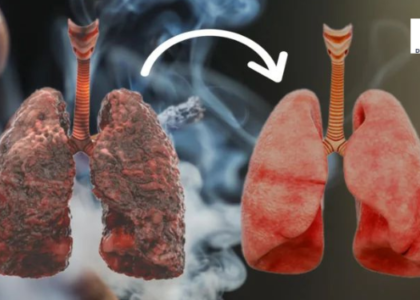
Smoking
Smoking damages the lungs and weakens the natural defense system of the respiratory tract, increasing the risk of repeated infections.
Weak Immune System
People with diabetes, chronic illnesses, or weakened immunity are more vulnerable to respiratory infections.
Air Pollution
Exposure to polluted air, dust, chemicals, and smoke may irritate the lungs and trigger infections.
Seasonal Changes
Cold weather and sudden temperature changes can increase the spread of respiratory infections.
Chronic Lung Diseases
Conditions such as asthma, COPD, or bronchitis increase the likelihood of developing chest infections.
Symptoms of Chest Infection
Chest infection symptoms may vary from mild to severe depending on the cause and severity.
Persistent Cough
A continuous cough with mucus production is one of the most common symptoms.
Fever and Chills
High temperature and body chills may indicate an infection in the lungs.
Shortness of Breath
Difficulty breathing or chest tightness may occur due to inflammation in the airways.
Wheezing
A whistling sound while breathing can result from narrowed air passages.
Chest Pain
Pain while coughing or breathing deeply may be experienced in some cases.
Fatigue
Weakness and tiredness are common due to the body fighting the infection.
Who is at Higher Risk?
Some individuals are more prone to chest infections than others.
- Elderly individuals
- Young children
- Smokers
- Asthma or COPD patients
- People with weak immunity
- Patients with chronic diseases
These individuals should seek medical attention early if symptoms appear.
How is a Chest Infection Diagnosed?
An experienced pulmonologist in Hinjewadi may perform several tests to confirm the diagnosis.
Physical Examination
The doctor checks breathing sounds using a stethoscope.
Chest X-ray
A chest X-ray helps detect pneumonia and other lung abnormalities.
Blood Tests
Blood tests may identify the severity and type of infection.
Sputum Test
Mucus samples may be examined to identify bacterial infections.
Oxygen Level Check
Pulse oximetry helps measure oxygen levels in the blood.
Treatment Options for Chest Infection
Treatment depends on the type and severity of the infection.
Medications
Doctors may prescribe antibiotics, antiviral medicines, or cough medications depending on the cause.
Steam Inhalation
Steam helps loosen mucus and improve breathing comfort.
Hydration
Drinking enough fluids helps thin mucus and supports recovery.
Rest
Adequate rest allows the body to recover faster.
Nebulization Therapy
Nebulization may help open airways in patients with wheezing or breathing difficulty.
Prevention Tips for Chest Infections
Preventive care plays an important role in maintaining healthy lungs.
Avoid Smoking
Quitting smoking significantly improves lung health.
Maintain Hand Hygiene
Frequent handwashing reduces the spread of infections.
Stay Vaccinated
Flu and pneumonia vaccines help lower infection risk.
Eat a Healthy Diet
Nutritious food strengthens the immune system.
Avoid Pollution Exposure
Use masks and avoid heavily polluted environments whenever possible.
When Should You Visit a Pulmonologist?
You should consult a doctor if you experience:
- Persistent cough lasting more than 2 weeks
- High fever
- Difficulty breathing
- Chest pain
- Blood in mucus
- Frequent chest infections
Ignoring symptoms may lead to serious complications.
Expert Respiratory Care with Dr. Amit Koli
Dr. Amit Koli provides expert diagnosis and treatment for chest infections, asthma, COPD, and other respiratory conditions. With patient-focused care and advanced pulmonary evaluation, patients receive effective treatment and long-term respiratory support.
Conclusion
Chest infections can affect breathing and overall health if not treated on time. Early diagnosis, proper treatment, and preventive care are essential for healthy lungs. Lifestyle changes, avoiding smoking, and timely medical attention can help reduce complications.
If you are experiencing persistent cough, breathing difficulty, or chest discomfort, consult an experienced pulmonologist in Hinjewadi for proper evaluation and treatment.
Frequently Asked Questions (FAQs)
1. What are the common causes of chest infection?
Chest infections are commonly caused by viruses, bacteria, smoking, pollution, and weak immunity.
2. How long does a chest infection last?
Mild infections may improve within 1–2 weeks, while severe infections may take longer.
3. Can chest infections spread from person to person?
Yes, viral and bacterial infections can spread through coughing, sneezing, or close contact.
4. When should I see a pulmonologist for chest infection?
You should consult a doctor if symptoms persist, breathing becomes difficult, or fever remains high.
5. Can smoking increase chest infection risk?
Yes, smoking damages the lungs and weakens respiratory defense mechanisms.
6. Are chest infections dangerous?
Some infections like pneumonia can become serious if left untreated.
Book your consultation with Dr. Amit Koli, trusted pulmonologist in Hinjewadi, for expert diagnosis and advanced respiratory care. Early treatment helps protect your lung health.