
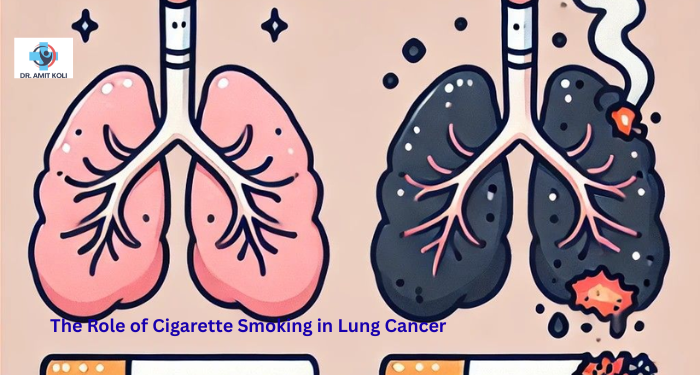
Lung cancer is one of the leading causes of cancer-related deaths worldwide. Among the many factors associated with lung cancer, cigarette smoking remains the most significant and preventable cause. Despite widespread awareness campaigns and health warnings, millions of people continue to smoke, putting themselves at risk of serious respiratory diseases and cancer.
Understanding the connection between cigarette smoking and lung cancer can help individuals make informed decisions about their health. If you have a history of smoking or are experiencing respiratory symptoms, consulting the Best Pulmonologist in Wakad can help with early diagnosis, treatment, and prevention strategies.
What Is Lung Cancer?
Lung cancer develops when abnormal cells in the lungs grow uncontrollably and form tumors. These tumors can interfere with normal lung function and may spread to other parts of the body if left untreated.
The two main types of lung cancer are:
Non-Small Cell Lung Cancer (NSCLC)
This is the most common type and accounts for approximately 85% of lung cancer cases.
Small Cell Lung Cancer (SCLC)
This type grows and spreads more rapidly and is strongly associated with cigarette smoking.
How Does Cigarette Smoking Cause Lung Cancer?
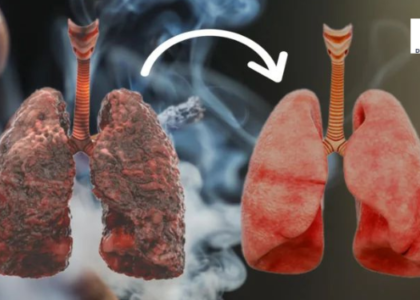
Cigarette smoke contains more than 7,000 chemicals, many of which are harmful. At least 70 of these chemicals are known carcinogens, meaning they can cause cancer.
When a person inhales cigarette smoke, these toxic substances enter the lungs and damage the cells lining the airways. Over time, repeated exposure causes genetic mutations that can trigger uncontrolled cell growth and eventually lead to cancer.
Some of the most dangerous chemicals found in cigarette smoke include:
- Benzene
- Formaldehyde
- Arsenic
- Cadmium
- Polonium-210
- Tobacco-specific nitrosamines
Continuous exposure to these chemicals significantly increases the likelihood of developing lung cancer.
Smoking and Lung Cancer Risk
The risk of lung cancer increases with:
Number of Cigarettes Smoked
People who smoke heavily have a much higher risk than occasional smokers.
Duration of Smoking
The longer a person smokes, the greater the damage to the lungs.
Age of Smoking Initiation
Individuals who begin smoking at a young age are more likely to develop lung cancer later in life.
Exposure to Secondhand Smoke
Even non-smokers exposed to cigarette smoke regularly face an increased risk of lung cancer.
Studies show that smokers are many times more likely to develop lung cancer compared to non-smokers.
Can Occasional Smoking Be Harmful?
Many people believe that smoking only a few cigarettes a day is safe. However, there is no safe level of smoking. Even occasional smoking exposes lung tissue to harmful chemicals that can damage DNA and increase cancer risk.
Light smokers also have a significantly higher chance of developing lung disease compared to people who never smoke.
Symptoms of Lung Cancer
Lung cancer often develops silently in its early stages. Symptoms may appear only after the disease has progressed.
Common warning signs include:
- Persistent cough
- Coughing up blood
- Shortness of breath
- Chest pain
- Wheezing
- Unexplained weight loss
- Fatigue
- Recurrent chest infections
- Hoarseness of voice
- Loss of appetite
If these symptoms persist, it is important to seek evaluation from the Best Pulmonologist in Wakad for proper diagnosis.
The Impact of Smoking on Overall Lung Health
Smoking does not only cause lung cancer. It can also lead to several chronic respiratory diseases, including:
Chronic Obstructive Pulmonary Disease (COPD)
COPD causes long-term breathing difficulties and reduced lung function.
Chronic Bronchitis
Persistent inflammation of the airways leads to excessive mucus production and coughing.
Emphysema
Smoking damages the air sacs in the lungs, making it difficult to breathe.
Increased Infection Risk
Smokers are more prone to pneumonia, tuberculosis, and respiratory infections.
These conditions further increase the burden on the lungs and may contribute to cancer development.
Benefits of Quitting Smoking
One of the most effective ways to reduce lung cancer risk is to stop smoking.
Benefits of quitting include:
Within 20 Minutes
Heart rate and blood pressure begin to improve.
Within Weeks
Lung function starts improving and breathing becomes easier.
Within Months
Coughing and shortness of breath decrease.
Within Years
The risk of lung cancer gradually declines compared to those who continue smoking.
Although former smokers still carry some risk, quitting at any age significantly improves long-term health outcomes.
How Is Lung Cancer Diagnosed?
Early detection greatly improves treatment success.
Diagnostic methods may include:
- Chest X-ray
- CT scan
- PET scan
- Sputum examination
- Bronchoscopy
- Lung biopsy
- Pulmonary function tests
The Best Pulmonologist in Wakad can recommend appropriate screening for individuals with a smoking history or suspicious symptoms.
Treatment Options for Lung Cancer
Treatment depends on the type and stage of cancer.
Surgery
Surgical removal of cancerous tissue may be possible in early-stage disease.
Radiation Therapy
High-energy rays are used to destroy cancer cells.
Chemotherapy
Medications help kill rapidly growing cancer cells.
Targeted Therapy
Specific drugs target cancer-related genetic mutations.
Immunotherapy
This treatment boosts the body’s immune system to fight cancer.
A multidisciplinary approach often provides the best outcomes.
How to Prevent Lung Cancer
While not all cases can be prevented, several measures reduce risk:
- Quit smoking
- Avoid secondhand smoke
- Follow workplace safety guidelines
- Reduce exposure to environmental pollutants
- Maintain a healthy lifestyle
- Exercise regularly
- Eat a balanced diet rich in fruits and vegetables
- Undergo regular health screenings if at high risk
Prevention remains the most effective strategy against lung cancer.
Conclusion
Cigarette smoking is the leading cause of lung cancer and remains one of the most preventable health risks worldwide. Every cigarette exposes the lungs to harmful chemicals that can cause permanent damage and increase the likelihood of cancer. The good news is that quitting smoking can significantly lower this risk and improve overall lung health.
Early recognition of symptoms and timely medical evaluation are crucial for successful treatment. If you smoke, have a history of smoking, or are experiencing respiratory symptoms, consult the Best Pulmonologist in Wakad for expert guidance, screening, and comprehensive lung care.
FAQs
1. Does smoking always cause lung cancer?
No, not every smoker develops lung cancer, but smoking is the leading risk factor and greatly increases the chances of developing the disease.
2. Can lung cancer occur in non-smokers?
Yes. Lung cancer can also occur in non-smokers due to factors such as air pollution, genetic predisposition, radon exposure, and secondhand smoke.
3. How long after quitting smoking does the lung cancer risk decrease?
The risk begins to decline soon after quitting and continues to decrease over several years.
4. Is passive smoking dangerous?
Yes. Exposure to secondhand smoke increases the risk of lung cancer and other respiratory diseases.
5. What is the first symptom of lung cancer?
A persistent cough that does not improve is often one of the earliest warning signs.
6. Can occasional smoking cause lung cancer?
Yes. Even occasional smoking exposes the lungs to carcinogens and increases cancer risk.
7. When should I consult the Best Pulmonologist in Wakad?
You should seek medical advice if you experience a persistent cough, breathlessness, chest pain, coughing up blood, or have a long history of smoking.
8. Can lung cancer be cured?
Early-stage lung cancer may be successfully treated, especially when diagnosed promptly and managed appropriately.