
Good health depends on more than treating symptoms when they appear. Regular medical consultation, healthy lifestyle habits and timely health checkups can help identify potential concerns early and support better long-term health.
Diabetes is one of the common health conditions that requires regular monitoring and proper management. Along with diabetes, people may also experience concerns such as fever, infections, digestive problems, allergies, blood pressure fluctuations, thyroid-related concerns and seasonal illnesses.
If you are looking for a Diabetologist in Punawale, a specialist can help with blood sugar evaluation, diabetes management and regular monitoring. Similarly, a General Physician in Punawale can provide medical consultation for a wide range of common health concerns affecting adults.
What Does a Diabetologist Do?
A diabetologist focuses on the prevention, diagnosis and management of diabetes and related metabolic concerns. Diabetes requires continuous attention because blood sugar levels can be influenced by diet, physical activity, stress, sleep, medications and other health conditions.
During a consultation, the doctor may review your medical history, symptoms, lifestyle habits and previous blood sugar reports. Depending on your individual needs, blood tests and other investigations may be recommended.
Diabetes care generally focuses on:
❯❯ Monitoring blood glucose levels
❯❯ Understanding eating and lifestyle habits
❯❯ Maintaining a healthy body weight
❯❯ Encouraging regular physical activity
❯❯ Reviewing prescribed medicines
❯❯ Monitoring related health parameters
❯❯ Regular follow-up and health assessments
The treatment plan is different for every person, so medical advice should be based on individual health requirements.
Recognising Common Signs of Diabetes
Some people may not notice symptoms in the early stages. When symptoms occur, they can include increased thirst, frequent urination, tiredness, increased hunger, unexplained weight changes or blurred vision.
These symptoms can also occur due to other health conditions. Therefore, experiencing them does not automatically mean that a person has diabetes. Appropriate blood tests and medical evaluation are important for diagnosis.
People with risk factors such as family history, excess weight, limited physical activity or previous abnormal blood sugar readings may benefit from regular health checks.
Why Regular Blood Sugar Monitoring Matters
Blood sugar management is an ongoing process. Regular monitoring allows doctors to understand how a person’s body is responding to lifestyle changes and prescribed treatment.
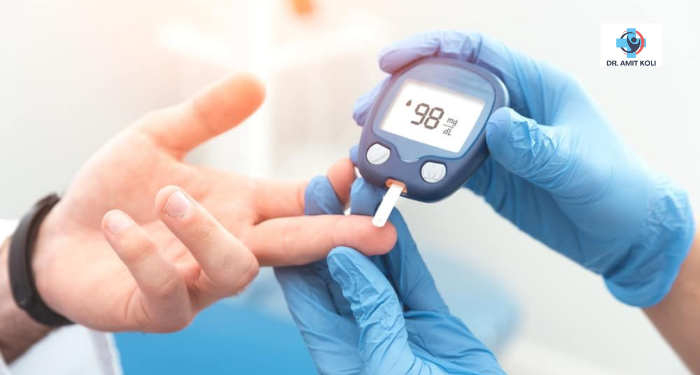
Depending on the individual situation, doctors may recommend tests such as fasting blood glucose, post-meal blood glucose and HbA1c. HbA1c provides an indication of average blood sugar levels over the previous few months.
The frequency of testing depends on factors such as the type of diabetes, treatment plan, blood sugar control and overall health.
The Role of Diet and Lifestyle
Lifestyle plays an important role in diabetes management. A balanced eating pattern, regular physical activity, adequate sleep and stress management can support overall health.
Some useful habits include:
❯❯ Choosing a balanced diet with appropriate portions
❯❯ Including vegetables, whole grains and suitable protein sources
❯❯ Limiting excessive sugary foods and drinks
❯❯ Staying physically active according to your doctor’s advice
❯❯ Maintaining a healthy sleep routine
❯❯ Avoiding tobacco products
❯❯ Attending scheduled medical checkups
People with diabetes should discuss major dietary or exercise changes with their healthcare professional, especially if they take medicines that can affect blood sugar.
What Does a General Physician Treat?
A general physician provides comprehensive medical care for many common health concerns. They are often the first point of contact when a person develops a new symptom or is unsure which specialist to consult.
A General Physician in Punawale may evaluate concerns such as:
❯❯ Fever and common infections
❯❯ Cough, cold and throat complaints
❯❯ Headaches and general weakness
❯❯ Digestive problems
❯❯ Allergies
❯❯ Blood pressure concerns
❯❯ Thyroid-related concerns
❯❯ Diabetes and blood sugar issues
❯❯ Cholesterol concerns
❯❯ Lifestyle-related health problems
❯❯ Routine health assessments
A general physician can assess the symptoms and, when necessary, recommend diagnostic tests or refer the patient to an appropriate specialist.
When Should You Consult a General Physician?
Many minor symptoms improve with rest and basic care. However, symptoms that are persistent, recurring or worsening should be evaluated by a medical professional.
You may consider consulting a doctor if you experience:
❯❯ Fever that persists or keeps returning
❯❯ Ongoing cough or breathing discomfort
❯❯ Repeated digestive problems
❯❯ Unusual tiredness or weakness
❯❯ Frequent headaches
❯❯ Changes in appetite or weight
❯❯ Repeated infections
❯❯ Changes in blood pressure or blood sugar
❯❯ Any new symptom that concerns you
If symptoms are severe or develop suddenly, urgent medical attention may be necessary.
Diabetes and Other Health Conditions
Diabetes can occur alongside other health concerns such as high blood pressure and abnormal cholesterol levels. This is one reason why comprehensive medical care and regular monitoring are important.
A diabetologist or general physician may recommend monitoring different health parameters depending on your age, medical history and risk factors.
Regular checkups can help your doctor understand changes in your health and adjust the care plan when needed.
Importance of Preventive Health Checkups
You do not always need to wait for symptoms before visiting a doctor. Preventive health checkups can be useful for identifying health concerns that may not cause noticeable symptoms initially.
Depending on your age and risk factors, your doctor may recommend tests for blood sugar, blood pressure, cholesterol and other relevant health parameters.
Preventive care can also include discussions about diet, physical activity, weight management, sleep and other lifestyle factors.
Choosing the Right Doctor in Punawale
Convenient access to medical care can make it easier to maintain regular consultations and follow-ups. When choosing a healthcare professional, consider their qualifications, experience, areas of expertise and approach to patient care.
For people who need diabetes-focused care, consulting a Diabetologist in Punawale can provide specialised guidance for blood sugar management. For everyday medical concerns, a General Physician in Punawale can offer comprehensive evaluation and help determine whether further specialist care is needed.
When Diabetes Requires Closer Attention
People living with diabetes should not ignore significant changes in their health. Consistently high or low blood sugar readings, repeated symptoms, medication-related concerns or difficulty maintaining recommended blood sugar levels should be discussed with a healthcare professional.
It is also important not to change or stop prescribed diabetes medicines without medical guidance.
Regular follow-ups allow the doctor to review progress and make changes to the treatment plan when appropriate.
Frequently Asked Questions
1. What does a diabetologist treat?
A diabetologist specialises in diabetes and related metabolic concerns, including blood sugar monitoring, lifestyle management and diabetes treatment.
2. When should I consult a general physician?
A general physician can be consulted for common health concerns such as fever, infections, digestive issues, headaches, allergies, weakness and routine health evaluations.
3. Can a general physician manage diabetes?
Yes. General physicians can evaluate and manage many people with diabetes. Depending on the individual’s condition, they may also recommend consultation with a diabetologist or another specialist.
4. Is regular blood sugar testing important?
Yes. Regular monitoring can help understand blood sugar control and assist the doctor in making appropriate treatment decisions.
5. Can lifestyle changes help with diabetes management?
Healthy eating, regular physical activity, adequate sleep and maintaining a healthy weight can support diabetes management. Individual recommendations should be discussed with a healthcare professional.
6. How often should I visit a doctor?
The appropriate frequency depends on your age, health conditions, medications, risk factors and treatment plan. Your doctor can recommend a suitable follow-up schedule.
Conclusion
Managing health effectively involves timely medical advice, regular monitoring and healthy lifestyle habits. Diabetes requires ongoing attention, while a general physician can help with a broad range of everyday health concerns.
If you are searching for a Diabetologist in Punawale for diabetes-focused care or a General Physician in Punawale for comprehensive medical consultation, choosing an experienced healthcare professional can help you receive appropriate evaluation and personalised guidance. Regular follow-ups and preventive health checks can also support better long-term health management.