
Introduction
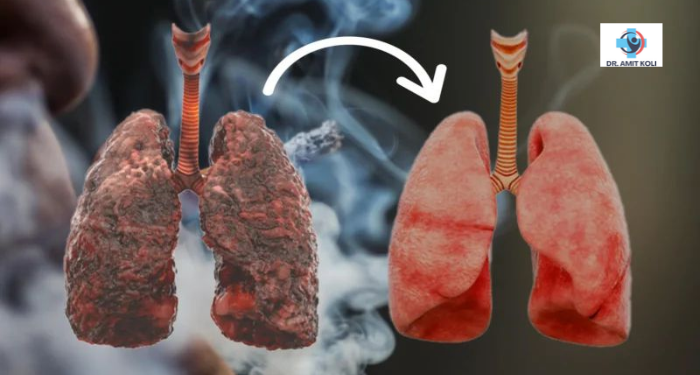
Healthy lungs are essential for breathing comfortably and maintaining overall well-being. However, habits such as smoking and excessive alcohol consumption can negatively affect respiratory health. Smoking is a major cause of lung damage, while heavy alcohol use can weaken the body’s immune system and increase the risk of respiratory infections. Understanding these risks and seeking timely pulmonary care can help protect your lungs and support better long-term health.
1. How Does Smoking Damage Your Lungs?
Cigarettes contain thousands of chemicals, including harmful substances that irritate and damage the respiratory system. Every time you inhale cigarette smoke, these substances enter your airways and lungs.
Chronic Cough and Increased Mucus
Smoking irritates the lining of the airways and increases mucus production. It can damage the tiny hair-like structures called cilia that normally help clear mucus and harmful particles. As a result, smokers may develop a persistent cough, excess phlegm, and frequent respiratory infections.
Chronic Bronchitis
Long-term smoking can cause chronic bronchitis, a condition characterized by persistent inflammation of the bronchial tubes. Common symptoms include coughing, mucus production, wheezing, and breathlessness. Medical evaluation is important if these symptoms continue.
COPD and Breathing Difficulties
Smoking is a leading cause of chronic obstructive pulmonary disease (COPD), a progressive lung condition that makes breathing difficult. COPD includes chronic bronchitis and emphysema. People with COPD may experience breathlessness during everyday activities, chest tightness, and a persistent cough.
Increased Risk of Lung Cancer
Smoking significantly increases the risk of lung cancer. Harmful chemicals in tobacco smoke can damage the DNA of lung cells, allowing abnormal cells to grow. Quitting smoking reduces future health risks, even for people who have smoked for many years.
2. How Does Alcohol Consumption Affect Lung Health?
Alcohol does not usually damage the lungs in the same direct way as cigarette smoke. However, excessive alcohol consumption can affect the body’s ability to defend itself against respiratory illnesses.
Weakened Immune System
Heavy alcohol consumption can interfere with immune function, making it harder for the body to fight infections. This may increase susceptibility to respiratory infections, including pneumonia.
Increased Risk of Pneumonia
Excessive alcohol use can impair alertness and the normal protective reflexes that prevent food, liquid, or vomit from entering the airways. This can increase the risk of aspiration-related lung injury and pneumonia.
Impact on Recovery
Heavy drinking can contribute to poor nutrition and interfere with overall recovery from illness. For people already experiencing respiratory problems, reducing or avoiding alcohol may be an important part of improving general health.
3. Can Smoking and Alcohol Increase the Risk of Tuberculosis?
Tuberculosis (TB) is an infectious disease caused by bacteria that most commonly affect the lungs. Smoking is associated with an increased risk of TB infection progressing to active disease and with poorer treatment outcomes. Harmful alcohol use is also associated with an increased risk of developing active TB and complications during treatment.
Symptoms that may indicate pulmonary TB include a cough lasting two weeks or longer, coughing up blood, fever, night sweats, unexplained weight loss, and loss of appetite.
If you experience these symptoms, consult a healthcare professional promptly. TB treatment usually involves a combination of prescribed antibiotics taken for several months. Completing the full course is essential, even if you begin to feel better. Never stop TB medication without medical guidance.
4. When Should You Seek Pulmonary Care?
Timely pulmonary care can help identify respiratory problems before they become more serious. Consult a pulmonologist if you experience a persistent cough, wheezing, repeated chest infections, breathlessness, or suspected TB symptoms.
Depending on your symptoms, a doctor may recommend lung function testing, chest imaging, sputum testing, or other investigations. Treatment depends on the underlying condition and may include medication, smoking cessation support, pulmonary rehabilitation, or specific TB treatment when diagnosed.
Seek emergency medical attention if you experience severe breathing difficulty, blue lips, or significant coughing of blood.
5. Simple Ways to Protect Your Lungs
- Stop smoking and avoid exposure to second-hand smoke.
- Seek professional support if you need help quitting tobacco.
- Avoid or limit alcohol; avoiding it is the safest option for people who struggle to control their consumption.
- Maintain a balanced diet and engage in regular physical activity as tolerated.
- Keep vaccinations up to date according to medical advice.
- Avoid dust, chemical fumes, and indoor air pollution where possible.
- Seek medical advice for a persistent cough or other respiratory symptoms.
- Complete prescribed TB treatment and attend follow-up appointments.
Conclusion
Smoking can cause serious lung diseases, including COPD and lung cancer, while excessive alcohol consumption can weaken immune defenses and increase the risk of respiratory infections. Both habits can contribute to poorer health outcomes, particularly when combined.
Protecting your lungs starts with healthier choices, early diagnosis, and appropriate medical support. If you have persistent respiratory symptoms or concerns about TB, seek professional advice for timely pulmonary care and appropriate treatment.
Healthy habits today can help you breathe easier tomorrow.