
Breathing is something most of us take for granted until it becomes difficult. Shortness of breath, also known as dyspnea, can occur after physical activity, but if it happens frequently, suddenly, or even while resting, it may be a sign of an underlying medical condition. While occasional breathlessness may not be serious, persistent or severe symptoms should never be ignored.
Consulting an experienced Pulmonologist in Punawale or Pulmonologist in Wakad can help identify the cause early and ensure timely treatment.
What Is Shortness of Breath?
Shortness of breath is the feeling of not being able to get enough air. It may develop suddenly or gradually over time. Some people describe it as chest tightness, difficulty taking a deep breath, or feeling like they are gasping for air.
Breathlessness can be temporary due to exercise or anxiety, but it may also indicate a lung or heart condition that requires medical attention.
Common Causes of Shortness of Breath
Asthma
Asthma causes inflammation and narrowing of the airways, making breathing difficult. Symptoms often include wheezing, coughing, chest tightness, and breathlessness.
Chronic Obstructive Pulmonary Disease (COPD)
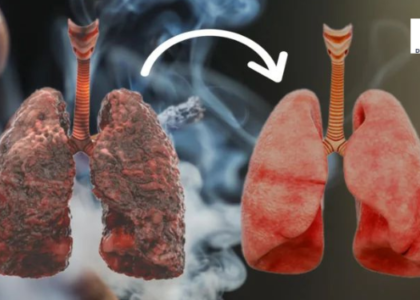
COPD is a long-term lung disease commonly associated with smoking. It gradually reduces airflow and causes persistent breathing difficulties.
Pneumonia
Pneumonia is a lung infection that causes inflammation of the air sacs. It may lead to fever, cough, chest pain, and difficulty breathing.
Pulmonary Fibrosis
Pulmonary fibrosis causes scarring of lung tissue, making it difficult for oxygen to pass into the bloodstream. Breathlessness usually worsens over time.
Respiratory Infections
Viral infections such as influenza or COVID-19 can temporarily affect breathing, especially in older adults or individuals with existing lung diseases.
Allergies
Severe allergic reactions can cause airway swelling and breathing difficulties.
Obesity
Excess body weight puts additional pressure on the lungs and diaphragm, making breathing more difficult during daily activities.
Anxiety and Panic Attacks
Stress and anxiety may cause rapid breathing and the sensation of not getting enough air, even when the lungs are healthy.
Heart-Related vs Lung-Related Breathlessness
Breathlessness is not always caused by lung disease. Sometimes, heart conditions reduce the body’s ability to pump oxygen-rich blood efficiently.
Lung-Related Symptoms
- Wheezing
- Persistent cough
- Chest congestion
- Increased mucus production
- Difficulty breathing during physical activity
Heart-Related Symptoms
- Chest pain or pressure
- Swelling in the legs or feet
- Rapid heartbeat
- Breathlessness while lying down
- Fatigue during routine activities
Because the symptoms may overlap, proper evaluation is essential for an accurate diagnosis.
Warning Signs That Need Immediate Medical Attention
Seek emergency medical care if you experience:
- Sudden severe shortness of breath
- Difficulty speaking because of breathlessness
- Chest pain with breathing difficulty
- Bluish lips or fingertips
- Confusion or dizziness
- High fever with severe breathing problems
- Coughing up blood
- Loss of consciousness
These symptoms may indicate a medical emergency requiring immediate treatment.
How Is Shortness of Breath Diagnosed?
A pulmonologist will evaluate your symptoms and perform a detailed examination. Diagnostic tests may include:
- Medical history review
- Physical examination
- Oxygen saturation measurement
- Chest X-ray
- CT scan of the chest
- Pulmonary Function Test (PFT)
- Spirometry
- Blood tests
- ECG if heart disease is suspected
- Allergy testing when appropriate
An accurate diagnosis helps determine the most effective treatment plan.
Treatment Options
Treatment depends on the underlying cause of breathlessness.
Medications
Bronchodilators, inhalers, antibiotics, steroids, allergy medications, or medicines for heart conditions may be prescribed depending on the diagnosis.
Oxygen Therapy
Patients with significantly reduced oxygen levels may require supplemental oxygen.
Pulmonary Rehabilitation
Exercise training, breathing techniques, and education help improve lung function and quality of life in chronic lung diseases.
Lifestyle Modifications
Maintaining a healthy weight, quitting smoking, staying physically active, and avoiding air pollution can significantly improve breathing.
Managing Underlying Conditions
Proper treatment of asthma, COPD, pneumonia, heart disease, or allergies helps reduce recurring episodes of breathlessness.
Lifestyle Tips for Better Lung Health
- Avoid smoking and secondhand smoke.
- Exercise regularly according to your doctor’s advice.
- Eat a balanced diet rich in fruits and vegetables.
- Stay hydrated.
- Practice breathing exercises.
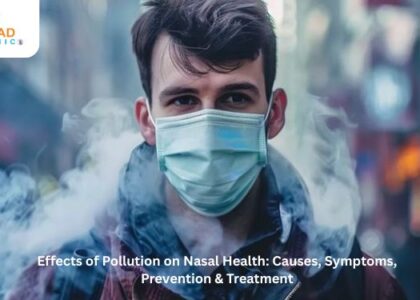
- Wear a mask in dusty or polluted environments.
- Keep vaccinations up to date.
- Manage allergies effectively.
- Maintain a healthy body weight.
- Schedule regular health check-ups if you have chronic lung disease.
When Should You Visit a Pulmonologist?
Do not ignore breathlessness that occurs repeatedly or worsens over time. Early diagnosis can prevent complications and improve treatment outcomes.
Consult a Pulmonologist in Punawale or Pulmonologist in Wakad if you experience:
- Persistent shortness of breath
- Chronic cough lasting more than three weeks
- Wheezing
- Frequent chest infections
- Difficulty breathing during normal activities
- Reduced exercise capacity
- Symptoms that interfere with your daily life
Conclusion
Shortness of breath is a symptom that should never be overlooked. While it may result from temporary conditions, it can also indicate serious lung or heart diseases that require prompt medical attention. Early diagnosis and appropriate treatment can improve breathing, prevent complications, and enhance your quality of life. If you are experiencing persistent or unexplained breathlessness, consult a qualified pulmonologist for a comprehensive evaluation and personalized treatment.
Frequently Asked Questions
1. Is shortness of breath always a sign of lung disease?
No. Breathlessness can be caused by lung conditions, heart disease, anemia, anxiety, obesity, or other medical problems.
2. When should I seek emergency care for breathlessness?
Seek immediate medical attention if breathing difficulty is sudden, severe, associated with chest pain, bluish lips, confusion, or coughing up blood.
3. Can asthma cause frequent shortness of breath?
Yes. Asthma commonly causes episodes of breathlessness, wheezing, chest tightness, and coughing.
4. How is shortness of breath diagnosed?
Diagnosis may involve a physical examination, chest imaging, pulmonary function tests, blood tests, oxygen level measurement, and heart evaluation if necessary.
5. Can lifestyle changes improve breathing?
Yes. Quitting smoking, exercising regularly, maintaining a healthy weight, eating a balanced diet, and avoiding air pollution can significantly improve lung health.
6. What is the difference between asthma and COPD?
Asthma often begins earlier in life and is usually reversible with treatment, while COPD is a progressive lung disease commonly caused by long-term smoking.
7. When should I consult a pulmonologist?
If you have persistent breathlessness, chronic cough, wheezing, repeated lung infections, or unexplained breathing difficulties, you should consult a pulmonologist for expert evaluation and treatment.