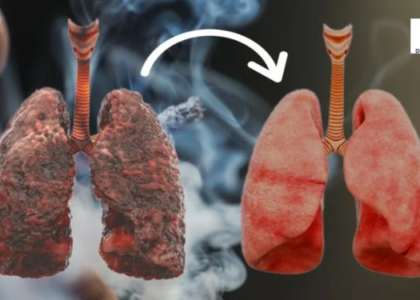

A lung infection occurs when harmful microorganisms such as bacteria, viruses, or fungi infect the lungs and cause inflammation. Lung infections can affect people of different ages and may range from mild conditions that improve with rest and treatment to more serious infections requiring medical care.
Common lung infections include pneumonia, bronchitis, tuberculosis, and fungal lung infections. The symptoms can vary depending on the cause, the person’s age, overall health, and severity of the infection. Understanding the warning signs can help people seek timely medical advice.
What Is a Lung Infection?
A lung infection develops when an infectious organism enters the respiratory system and affects the lungs or airways. The infection may cause inflammation and increased mucus production, which can make breathing difficult.
Some infections primarily affect the larger airways, while others can involve the tiny air sacs of the lungs. Pneumonia, for example, can cause the air sacs to fill with fluid or inflammatory material, leading to cough, fever, and breathing difficulties.
If respiratory symptoms are persistent or worsening, consultation with a Lung Specialist in Punawale can help determine the underlying cause and appropriate treatment.
What Causes Lung Infections?
Lung infections can be caused by different microorganisms.
1. Bacterial Infections
Bacteria are a common cause of pneumonia and other respiratory infections. Symptoms may develop suddenly and can include fever, cough, chest discomfort, weakness, and sometimes mucus production.
Antibiotics may be prescribed for certain bacterial infections, but they are not useful against viral infections. Therefore, treatment should be based on medical evaluation rather than self-medication.
2. Viral Infections
Viruses such as influenza and respiratory viruses can affect the lungs and may sometimes lead to pneumonia. Viral infections can cause cough, fever, body aches, tiredness, sore throat, and breathing difficulties.
People with underlying lung or heart conditions may require closer monitoring when they develop a significant respiratory infection.
3. Fungal Infections
Fungal lung infections are less common but can occur, particularly in people with weakened immune systems or certain underlying health conditions. Diagnosis may require specialized tests because symptoms can resemble those of other respiratory conditions.
Common Types of Lung Infection
Pneumonia
Pneumonia is an infection that affects one or both lungs. It can be caused by bacteria, viruses, fungi, or other microorganisms. Symptoms may include cough, fever, chills, chest pain, tiredness, and shortness of breath.
The severity of pneumonia can vary significantly. Some people recover with appropriate treatment at home, while others may require hospitalization.
Bronchitis
Bronchitis occurs when the bronchial tubes become inflamed. Acute bronchitis is often caused by viral infections and may cause cough, mucus production, tiredness, and mild breathing discomfort.
A cough can sometimes continue even after the initial infection has improved.
Tuberculosis
Tuberculosis, commonly called TB, is a bacterial infection that can affect the lungs. Persistent cough, fever, night sweats, unexplained weight loss, tiredness, and sometimes blood in sputum can occur.
Because TB can spread from person to person, suspected cases require proper medical assessment and appropriate testing.
Symptoms of Lung Infection
Symptoms can differ from one person to another. Common symptoms include:
- Persistent cough
- Fever or chills
- Increased mucus or phlegm
- Chest discomfort or pain
- Shortness of breath
- Wheezing
- Fatigue and weakness
- Reduced appetite
- Body aches
- Sweating
- Blood in sputum in some cases
Not every person will experience all these symptoms. Older adults and people with certain medical conditions may sometimes have less typical symptoms.
When Should You See a Doctor?
A mild cough may occur with many common respiratory illnesses. However, medical evaluation is important if symptoms persist, become severe, or interfere with normal activities.
You should seek prompt medical attention if you experience significant breathing difficulty, persistent high fever, chest pain, confusion, bluish lips or face, coughing up blood, or rapidly worsening symptoms.
People with existing respiratory conditions may also need earlier evaluation when they develop signs of infection.
A Lung Specialist in Punawale can assess persistent respiratory symptoms and determine whether further investigations are required.
How Is a Lung Infection Diagnosed?
Diagnosis starts with a detailed medical history and physical examination. A doctor may listen to the lungs with a stethoscope and assess symptoms such as cough, fever, breathing difficulty, and chest discomfort.
Depending on the suspected infection, investigations may include:
- Chest X-ray
- Blood tests
- Sputum examination
- Oxygen saturation measurement
- CT scan in selected cases
- Viral or bacterial testing
- Other respiratory investigations when required
The choice of tests depends on the patient’s symptoms and clinical condition.
Treatment for Lung Infection
Treatment depends on the cause and severity of the infection.
Bacterial infections: Antibiotics may be prescribed when a bacterial infection is diagnosed or strongly suspected.
Viral infections: Many viral respiratory infections require supportive care such as adequate fluids, rest, and symptom management. Some specific viral infections may require antiviral medicines.
Fungal infections: Antifungal medication may be required depending on the type of fungal infection.
In more serious cases, treatment may include oxygen support, intravenous medicines, fluids, or hospital admission.
It is important not to start antibiotics without medical advice because unnecessary antibiotic use can contribute to antibiotic resistance and may not treat a viral infection.
How Can Lung Infections Be Prevented?
Some measures can help reduce the risk of respiratory infections:
- Wash your hands regularly.
- Avoid close contact with people who have contagious respiratory infections.
- Avoid smoking and exposure to tobacco smoke.
- Maintain good ventilation indoors.
- Follow recommended vaccinations as advised by your healthcare professional.
- Manage existing lung conditions appropriately.
- Maintain a balanced diet, adequate sleep, and regular physical activity according to your health condition.
Can a Lung Infection Become Serious?
Yes, some lung infections can become serious, particularly when the infection is severe or affects breathing. The risk may be higher in older adults, young children, people with weakened immunity, and those with certain chronic heart or lung conditions.
However, the presence of a cough or fever does not automatically mean that the infection is severe. Proper assessment helps determine the cause and severity and guides appropriate treatment.
Frequently Asked Questions
1. What are the common symptoms of a lung infection?
Common symptoms include cough, fever, chills, mucus production, chest discomfort, fatigue, and shortness of breath.
2. Is every lung infection pneumonia?
No. Pneumonia is one type of lung infection. Other conditions include bronchitis, tuberculosis, and certain fungal infections.
3. Can a lung infection go away on its own?
Some mild respiratory infections may improve with supportive care, but the appropriate approach depends on the cause and severity. Persistent or worsening symptoms should be medically evaluated.
4. Are antibiotics required for every lung infection?
No. Antibiotics work against certain bacterial infections and do not treat viral infections. A healthcare professional should determine whether antibiotics are appropriate.
5. When should I consult a Lung Specialist in Punawale?
Consider consulting a specialist if you have persistent cough, repeated respiratory infections, unexplained breathing difficulty, recurrent wheezing, chest discomfort, or other ongoing lung-related symptoms.
6. Can smoking increase the risk of lung infections?
Smoking can damage the respiratory system and affect the lungs’ natural protective mechanisms, making respiratory problems more likely. Avoiding smoking is an important part of maintaining lung health.
Conclusion
Lung infections can have different causes and levels of severity. Recognizing symptoms such as persistent cough, fever, mucus production, chest discomfort, or breathing difficulty can help you seek medical attention at the right time. Diagnosis and treatment depend on the underlying cause, so self-medication should be avoided.
If respiratory symptoms are persistent, recurrent, or worsening, consulting a qualified Lung Specialist in Punawale can help with appropriate evaluation and management.